- 18 December, 2025
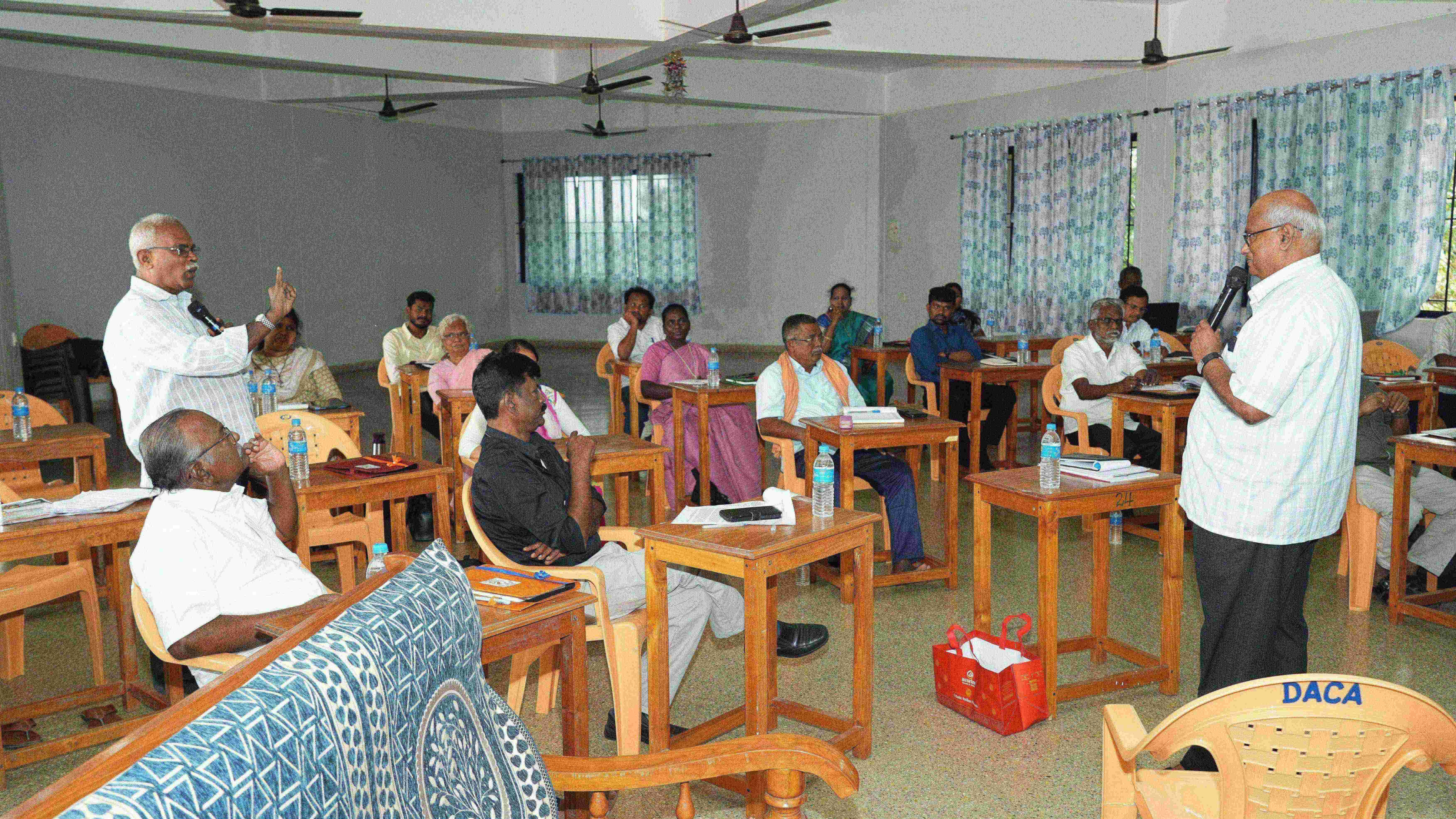
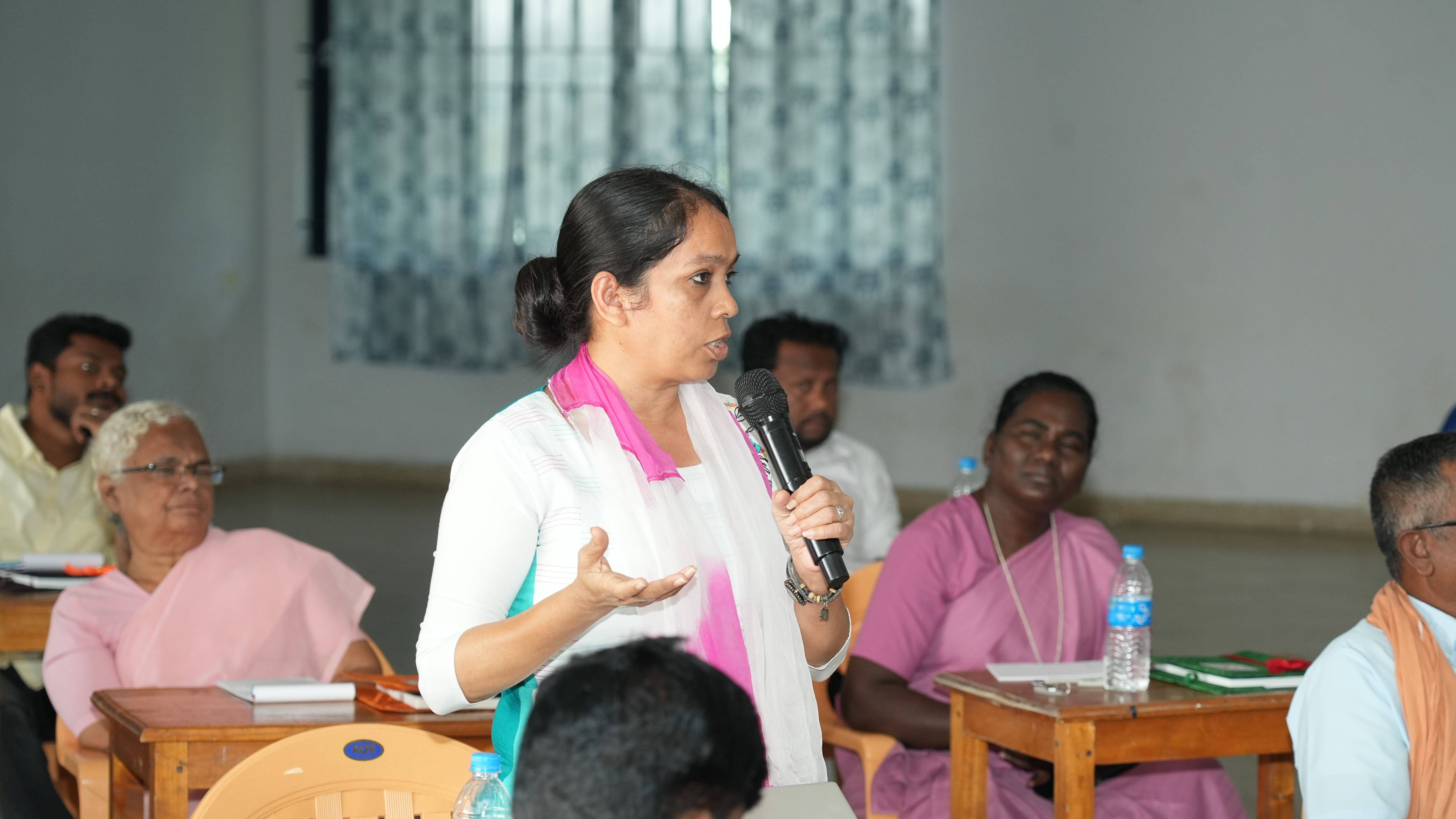
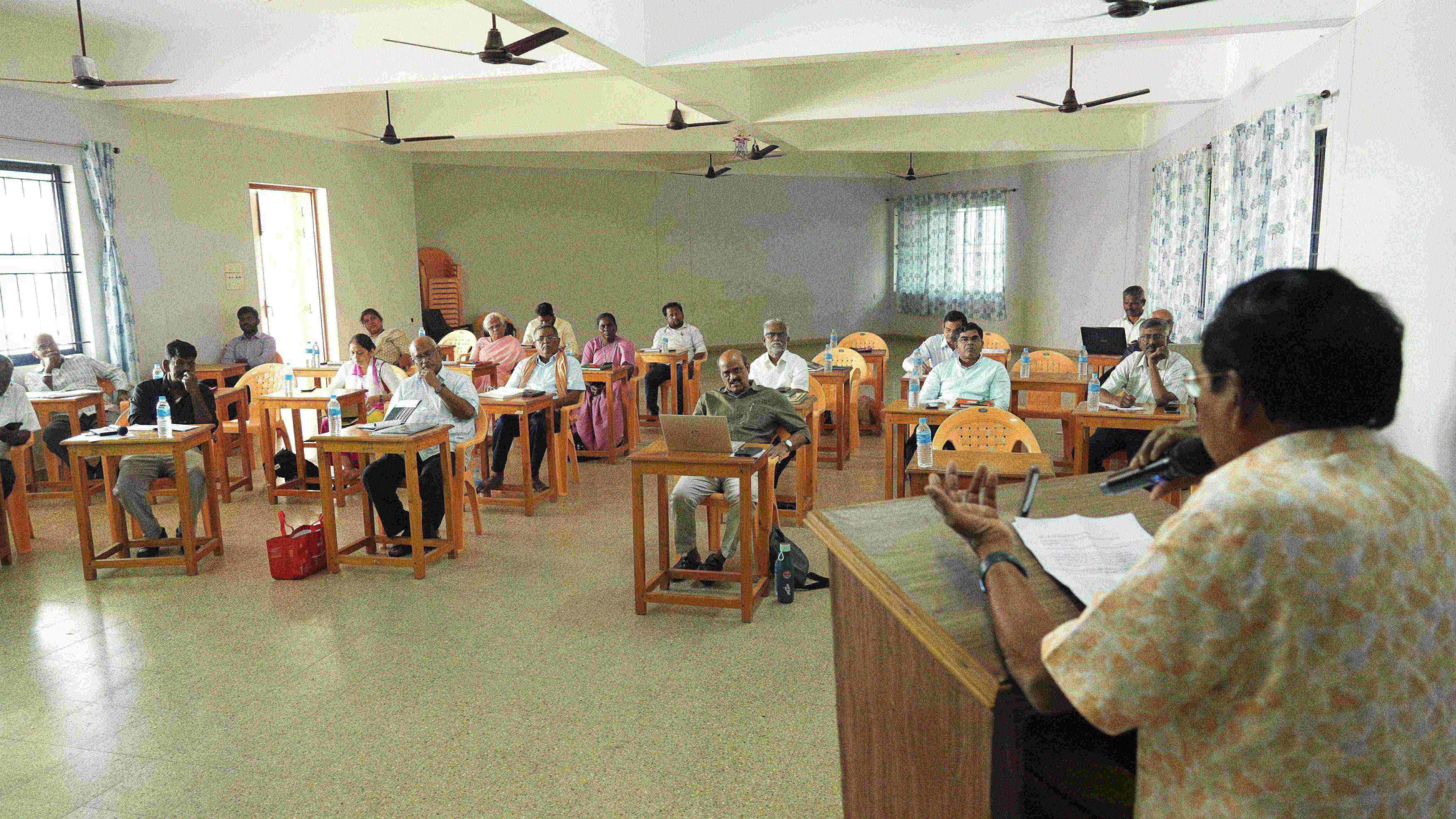
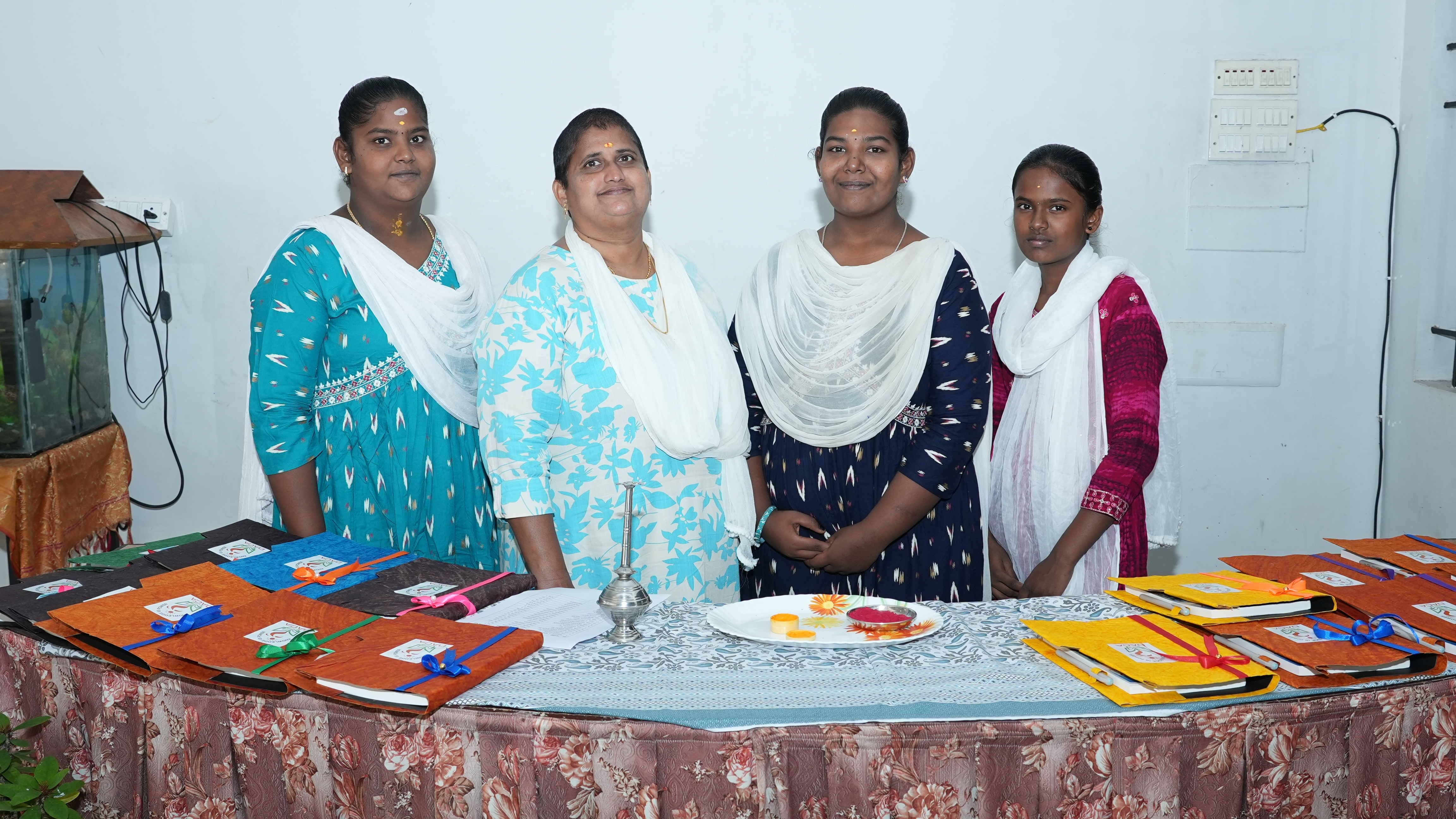
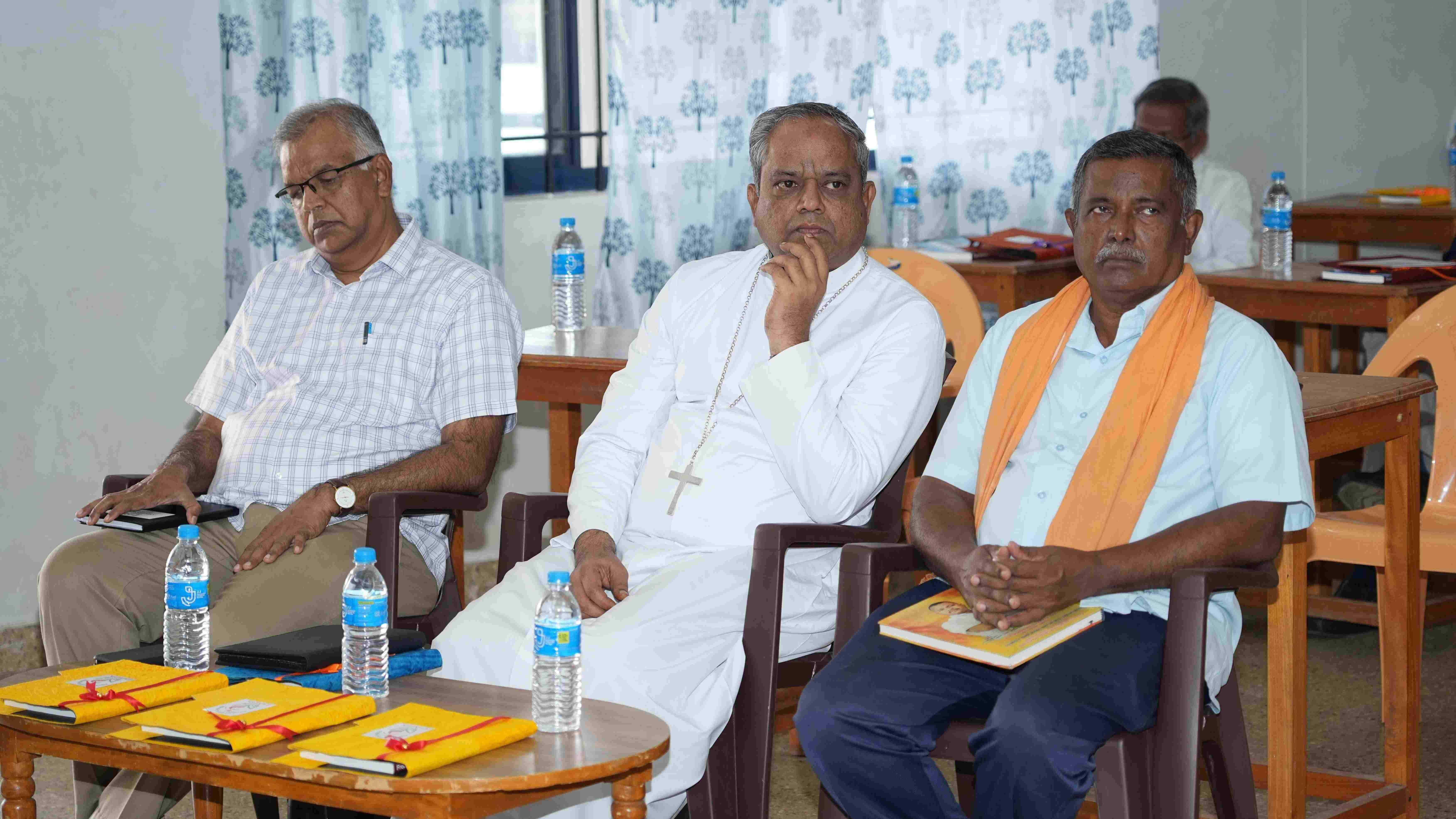
Chennai, December 18, 2025 — The Church must abandon neutrality in the face of injustice and stand unequivocally with the poor and marginalised, Bishop T. Sagayaraj of Thanjavur said while presiding over the annual two-day seminar of the Dr Ambedkar Cultural Academy (DACA), which focused on the continuing barriers to Dalit leadership and the pathways to overcoming them.


Addressing scholars, clergy, and social activists, Bishop Sagayaraj said Dalits continue to face exclusion not only in society but also within Church structures. Referring to the vision of Pope Francis, he called for moral clarity, institutional accountability, and concrete reforms that affirm the dignity and leadership of marginalised communities. “The Church cannot remain silent or neutral when injustice becomes systemic,” he said.
The seminar, held on December 12 and 13 under the theme “Surfing the Waves of Challenges,” brought together academics, administrators, pastoral leaders, and social activists to examine structural discrimination and to explore leadership models rooted in resilience, competence, and social responsibility.





Fr Thomas Amirtham SJ, Provincial of the Jesuit Madurai Province, stressed that individual determination must be matched by collective awareness and institutional support. He strongly advocated the continued need for constitutional safeguards such as reservations in education and employment, warning against narratives that dilute affirmative action. Fr Amirtham also highlighted the role of Dalit literature, history, and media in shaping identity, leadership consciousness, and public discourse.
Delivering the keynote address, philosopher and academic Dr Lourdunathan said Dalit perspectives remain marginal in mainstream theological and intellectual frameworks. He argued that genuine empowerment requires interdisciplinary engagement that recognises Dalits as active agents of change rather than passive recipients of welfare. Calling for sustained intellectual, social, and political action, he said leadership must emerge from critical thought as well as lived experience.
The academic sessions reflected these concerns through a wide range of perspectives from India and abroad. Dr Samuel Abraham of the University of Yamanashi, Japan, spoke on leadership during crisis situations, drawing lessons from the COVID-19 pandemic and highlighting opportunities for international collaboration in healthcare innovation. Research initiatives from LICET, Chennai, were also presented, including studies on stem cell applications, corneal regeneration, and nutritional interventions aimed at improving sleep quality among children with autism.
Several speakers examined leadership emerging through education, professional excellence, and cultural expression. Sessions explored poetic imagination as a tool for social change, leadership forged through lived hardship, and the evolution of Dalit movements from resistance-based activism to broader social engagement. Presentations from Odisha highlighted overlapping challenges faced by Dalit and Tribal Christians, while theologians reflected on systemic exclusion within institutional and ecclesial structures.
Discussions on the second day emphasised confidence-building, structural reform, women’s education, political participation, and ideology-driven leadership. Speakers repeatedly underlined that sustainable leadership is not sustained by symbolism alone but by discipline, competence, and solidarity.
The seminar concluded with a panel discussion calling for the formation of assertive, accountable Dalit leadership capable of confronting systemic injustice across social, political, and religious spaces. Reaffirming its long-term commitment to social empowerment, DACA announced plans to establish a dedicated social research centre to study exclusion and leadership development among marginalised communities.
By Fr. Francis Xavier, SJ




© 2025 CATHOLIC CONNECT POWERED BY ATCONLINE LLP