- 05 January, 2026
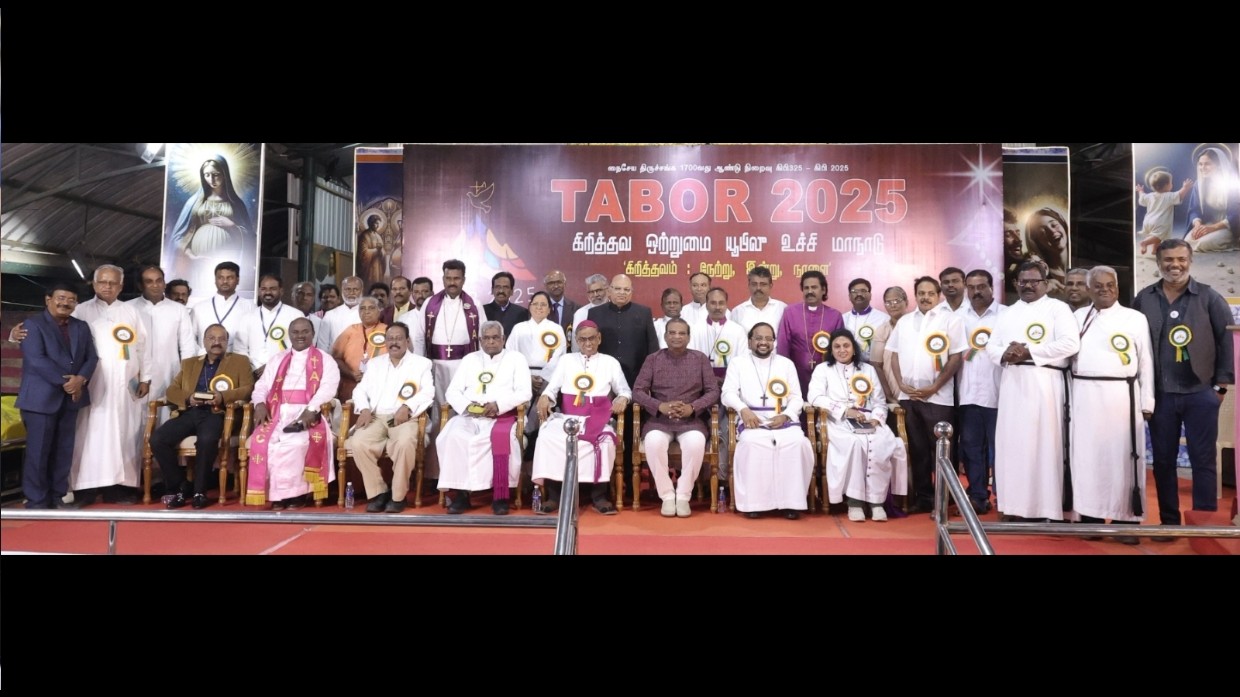
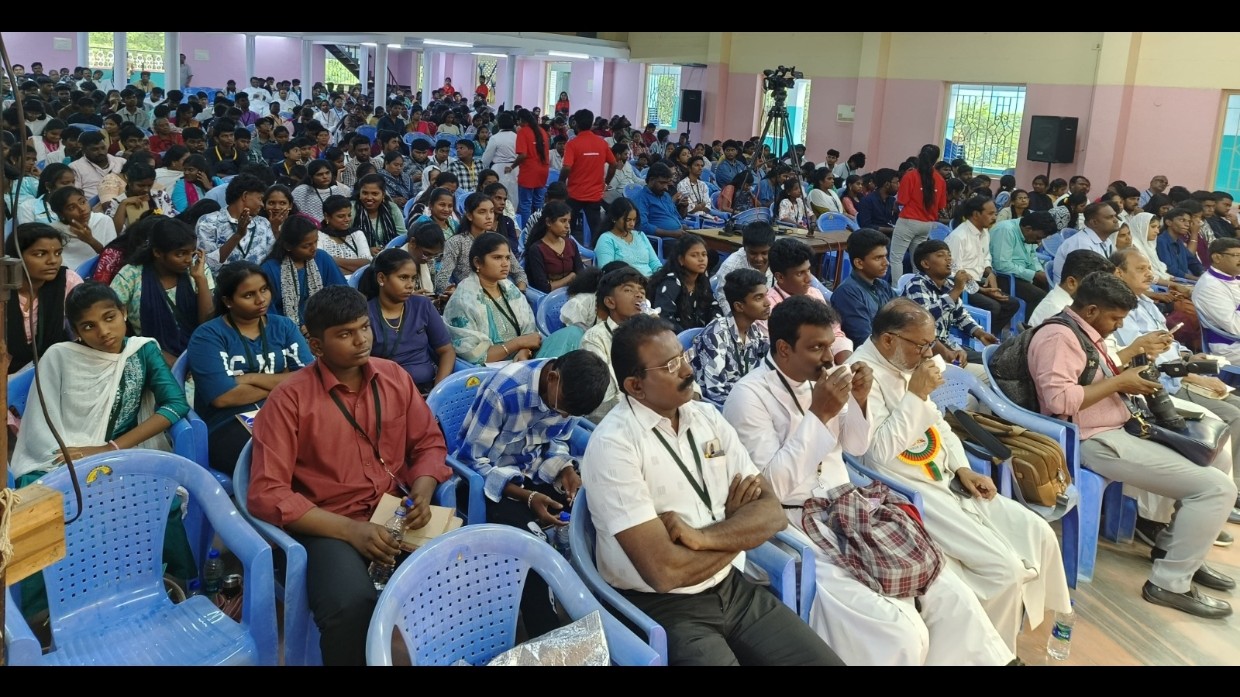
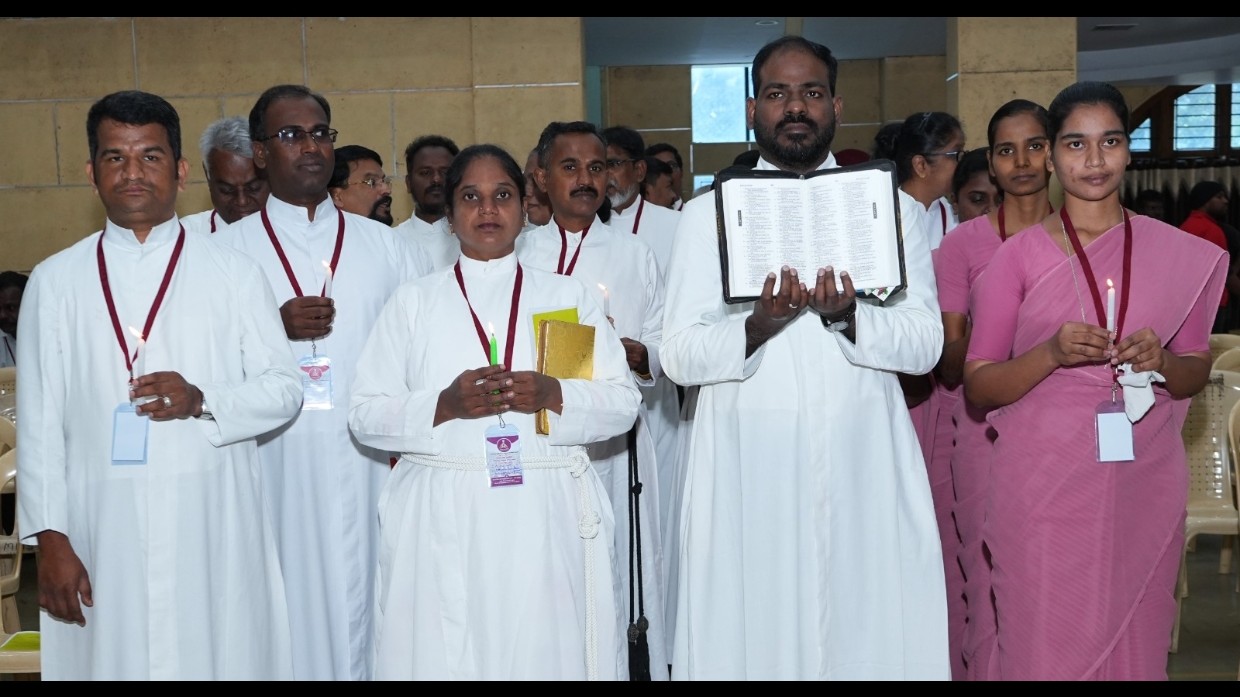
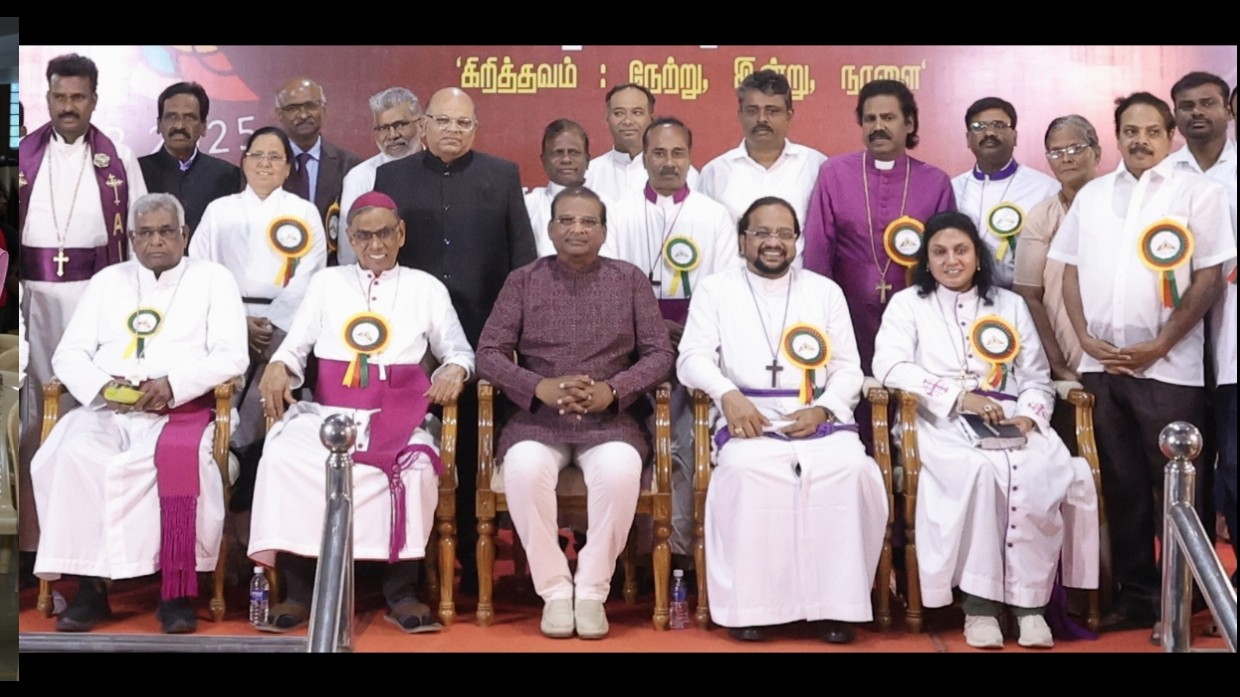
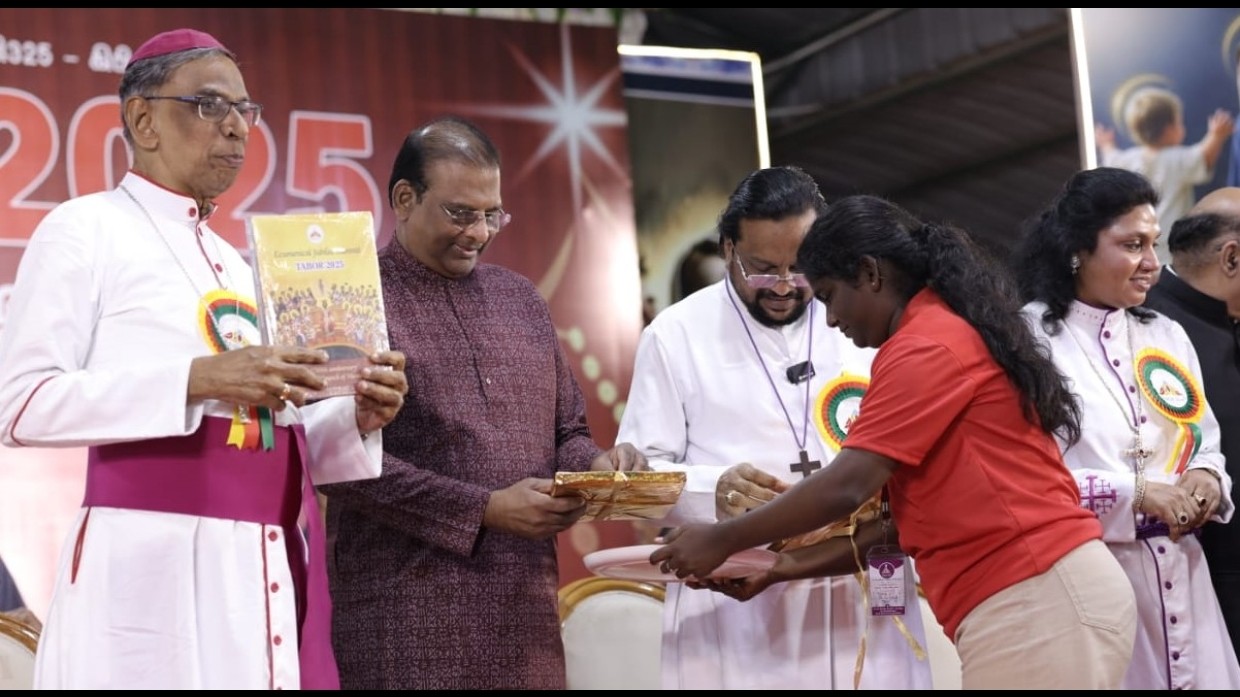
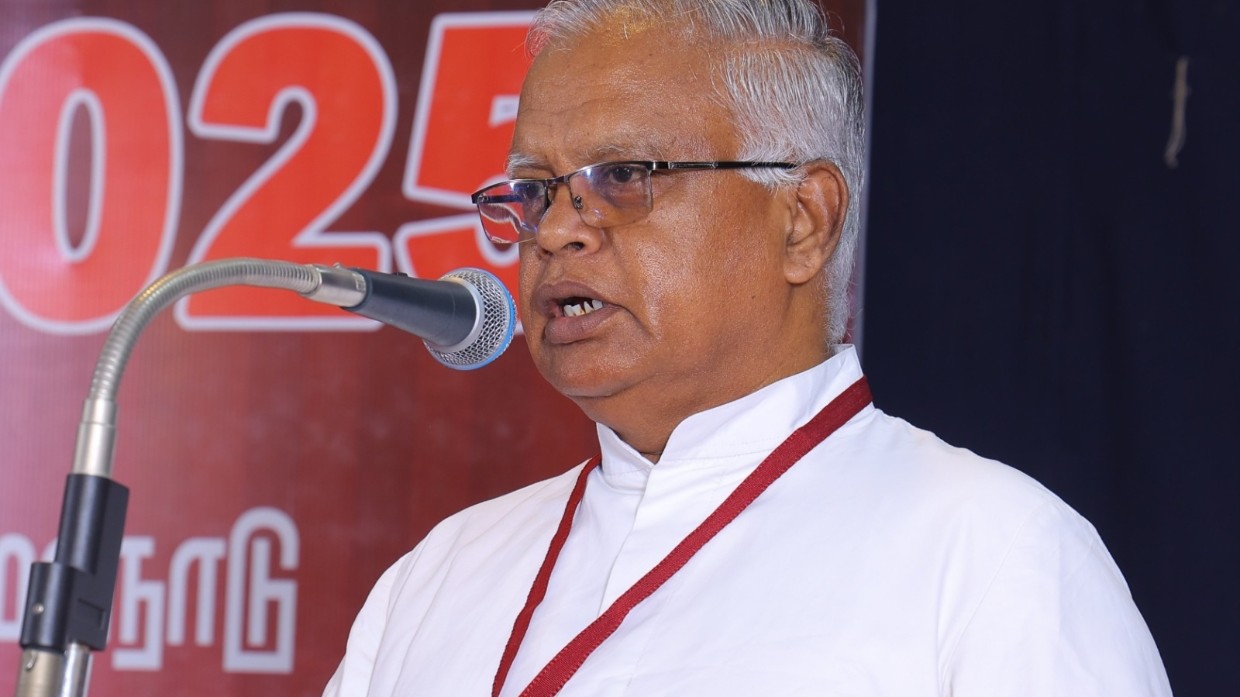
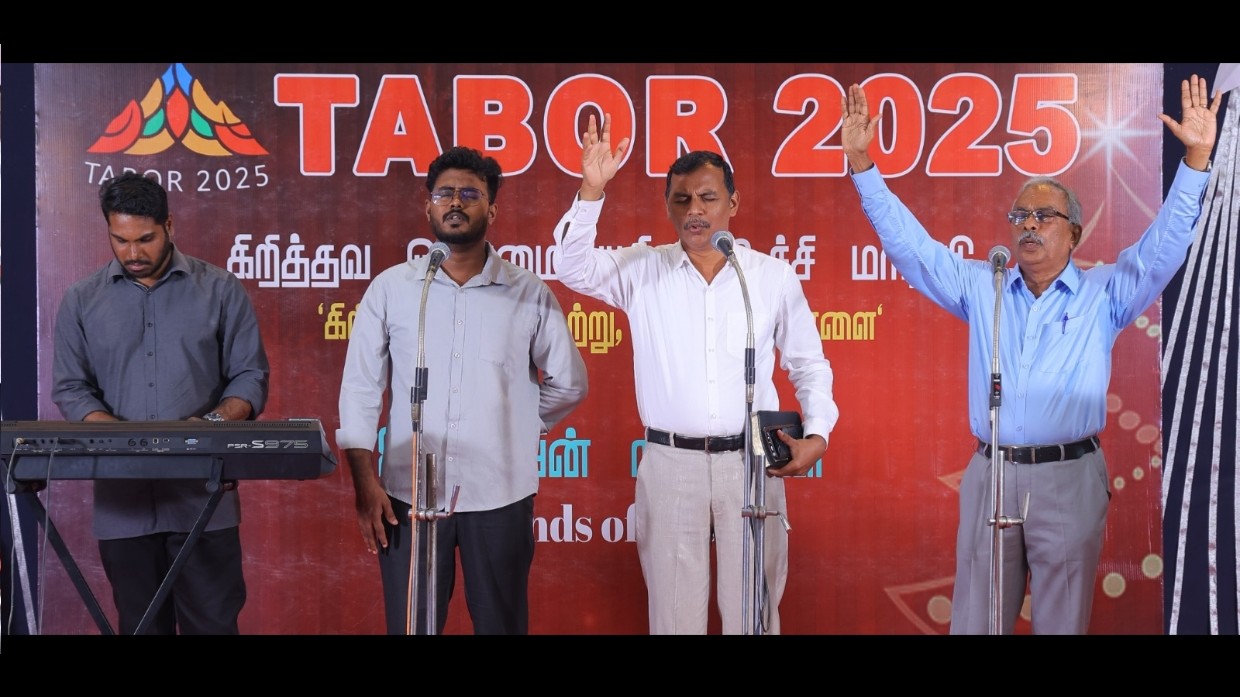
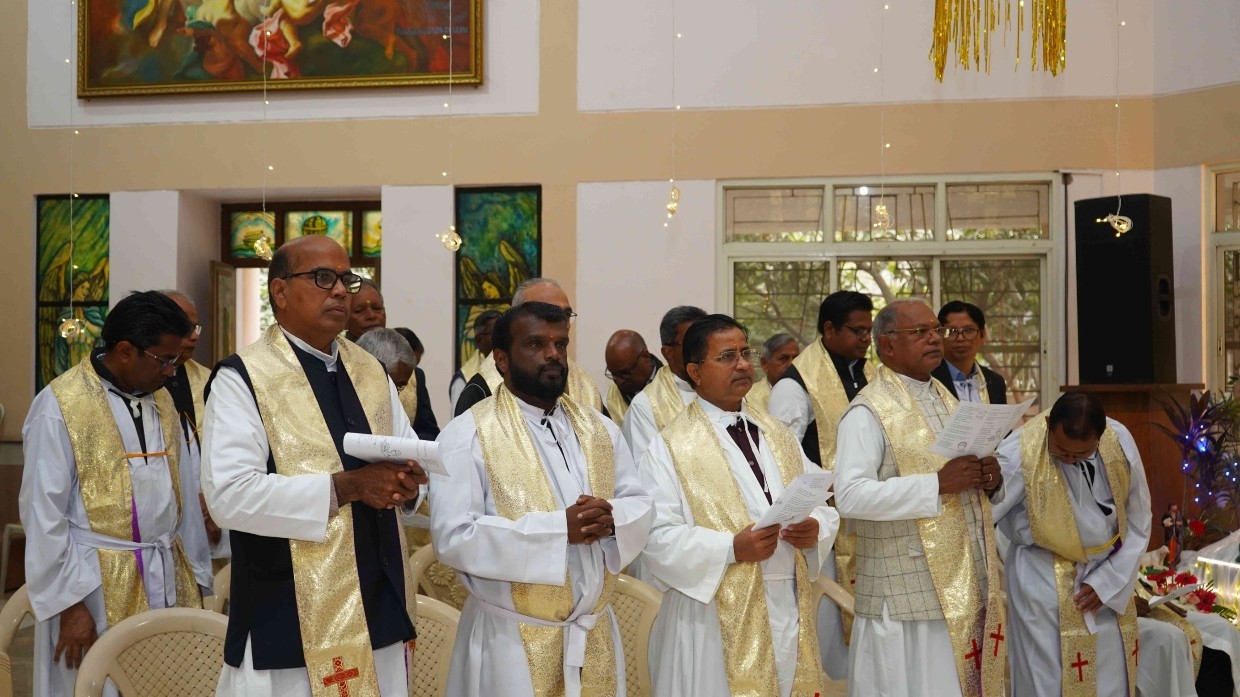
Chennai, January 3, 2026: A large ecumenical gathering at St. Thomas Mount brought together thousands of Christians from across denominations for ‘TABOR 2025’, a summit that sought to reflect on the past, present and future of Christianity in India while calling for unity in the face of growing social and religious challenges.
Centred on the theme “Christianity: Yesterday, Today and Tomorrow,” the summit created space for shared reflection on the Christian journey in India and the responsibilities that accompany it. Participants viewed the gathering not as a standalone event but as the beginning of a longer spiritual and ecumenical journey leading up to 2033, when Christians worldwide will mark 2,000 years since the birth of Jesus Christ.
Conversations at the summit were shaped by concern over increasing instances of hostility towards Christian communities in different parts of the country. Speakers repeatedly emphasised that unity, prayer and non-violent engagement remain essential responses to discrimination and injustice, urging churches to speak with a common voice while remaining rooted in compassion and dialogue.




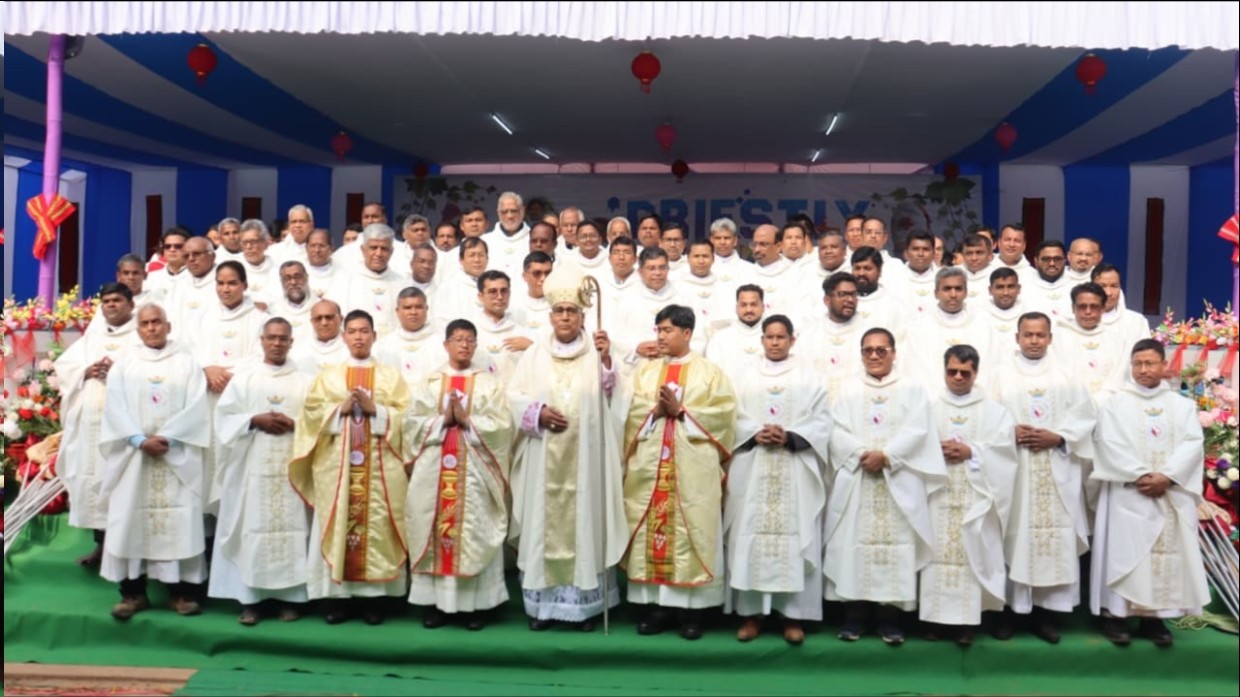
The gathering unfolded across multiple venues, bringing together children, youth, religious members and lay faithful in parallel reflections. While each group addressed issues specific to its context, the underlying emphasis remained shared responsibility and collective discernment about the Church’s role in society.
Church leaders and Christian thinkers from Catholic, Protestant and independent traditions contributed to the discussions, highlighting the long-standing role of Christian institutions in education, healthcare, social welfare and community development. The panels traced Christianity’s historical contributions while also questioning how faith communities can remain relevant and credible in a rapidly changing social landscape.
Attention was also drawn to internal social challenges, including caste divisions, economic inequality, corruption and discriminatory practices. Speakers called on Christians to engage these realities honestly, stressing that faith must translate into ethical living and public responsibility. The values enshrined in the Indian Constitution—equality, liberty and fraternity—were frequently invoked as principles that resonate deeply with the teachings of Jesus.
A recurring question guiding the reflections was posed by Pope Francis: “In 2033, how do you want the Church to be?” The responses pointed towards a vision of a Church committed to peace, reconciliation, shared leadership and inclusive decision-making, extending from families and local communities to wider ecclesial structures.
Historical memory also shaped the gathering. Reflections on the Council of Nicaea underscored the importance of unity in moments of transition, with speakers noting the symbolic significance of commemorating its anniversary at St. Thomas Mount, traditionally associated with the martyrdom of St. Thomas the Apostle.
Resolutions emerging from the summit highlighted the need for sustained ecumenical cooperation, protection of constitutional rights, responsible engagement with media and collective action against violence and marginalisation. More than a celebration, ‘TABOR 2025’ was presented as a renewed call for Christians to walk together, bearing witness through service, justice and solidarity in contemporary India.
By Dr. Magimai Pragasam
Download Catholic Connect App for Daily News Updates:
Android: Click here to download
Continue Reading on Catholic Connect App
Get access to exclusive news articles & more.
© 2026 CATHOLIC CONNECT POWERED BY ATCONLINE LLP