- 09 December, 2025
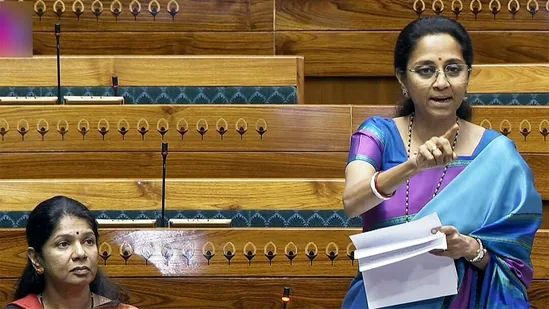
Delhi, December 8, 2025: The Right to Disconnect Bill, 2025, was introduced in the Lok Sabha on the fifth day of Parliament’s winter session, which began on 1 December. The Bill seeks to give employees the legal right to disengage from work-related communication after office hours, marking a significant step towards protecting mental health and work–life balance in India’s rapidly digitising work culture.
Supriya Sule, Lok Sabha MP from the Nationalist Congress Party (Sharadchandra Pawar), tabled the private member’s bill on Friday. She said the proposal aims to “foster a better quality of life and a healthier work–life balance” by reducing the burnout caused by constant digital connectivity. Sule shared a video of her introducing the Bill on X (formerly Twitter), underscoring the urgency of addressing excessive work pressure.
Key Provisions of the Bill
If passed, the Bill will prohibit employers from compelling staff to answer work-related calls, emails, messages, or tasks once official working hours have ended. It also grants employees full freedom to disconnect during weekends, public holidays, or approved leave, reinforcing their right to digital privacy and uninterrupted personal time.





The legislation requires organisations to clearly define official working hours and outline expectations for communication. Violations of the Right to Disconnect may invite financial penalties, creating a structured system of accountability. The Bill further proposes the establishment of an employees’ welfare authority to protect this right and handle related grievances.
Supporters argue that the Bill would align India with global labour standards, where several countries already legally safeguard employees’ downtime.
Other Private Members’ Bills on Employee Welfare
Sule also introduced two additional private members’ bills: the Paternity and Paternal Benefits Bill, 2025, which provides paid paternal leave to enable fathers to participate in early child development; and the Code on Social Security (Amendment) Bill, 2025, which formally recognises gig workers as a distinct category entitled to minimum wages, regulated hours, social security, and fair working conditions.
On the same day, Congress MP Shashi Tharoor brought forward another private member’s bill aimed at limiting working hours and amending the Occupational Safety, Health and Working Conditions Code, 2020. Citing data showing that 51% of India’s workforce logs more than 49 hours weekly and 78% reports burnout, Tharoor warned that overwork is damaging the physical and mental wellbeing of professionals.
Compiled by Catholic Connect Reporter
Image credits: The Hindustan Times
Download Catholic Connect App for Daily News Updates:
Android: Click here to download
Continue Reading on Catholic Connect App
Get access to exclusive news articles & more.




© 2025 CATHOLIC CONNECT POWERED BY ATCONLINE LLP